-
 Continue reading →: How to Teach Music Theory to High School Students (Step-by-Step Guide for Music Teachers)
Teaching music theory to high school students can feel overwhelming — especially when classes include a mix of experienced musicians and complete beginners. The good news is that music theory doesn’t have to feel complicated. With a clear sequence and practical approach, students can build confidence and develop real musical…
-
 Continue reading →: Why High Notes Feel Impossible — and What’s Actually Causing the Block
If high notes feel unpredictable, strained, or completely out of reach, you are not alone. Many singers assume the problem is range — that some people simply have high notes and others don’t. In reality, high notes are rarely about natural ability. They are about coordination. When the right muscular…
-
 Continue reading →: Returning to Singing After Being Sick: How to Protect Your Voice and Rebuild Safely
If you’ve ever tried to sing after being sick and thought, “Why does my voice feel so weird?” — you’re not alone. For most singers, vocal issues don’t happen during illness. They happen when we rush the comeback. The good news? You don’t need to “wait it out” forever —…
-
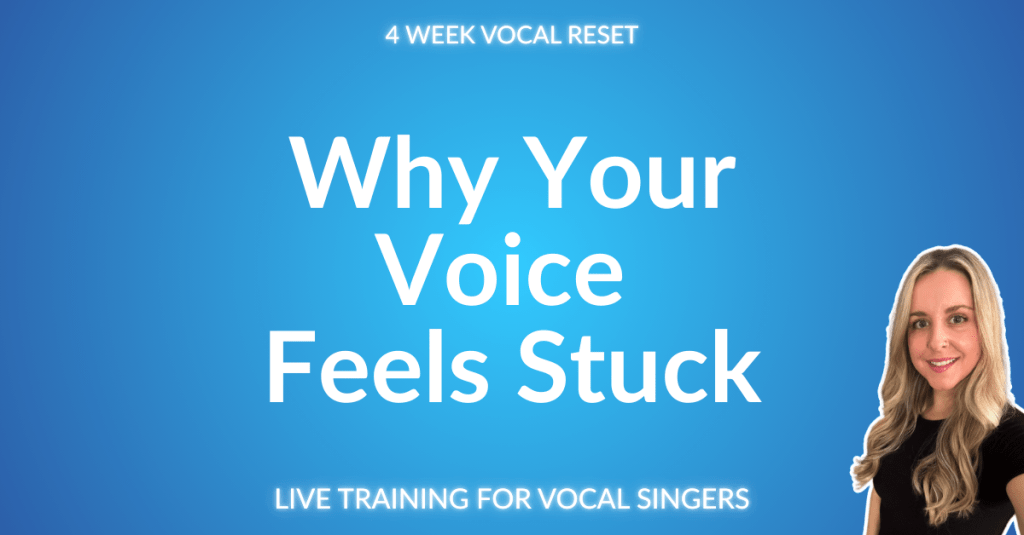 Continue reading →: Why Your Voice Feels Stuck — and the Reset Most Singers Actually Need
If your high notes feel unpredictable…If your voice gets tired faster than it should…If tension shows up in your jaw, tongue, or throat… You are not alone — and you are not broken. Most singers don’t have a “bad voice.” They have a voice that has adapted to inefficient habits.…
-
 Continue reading →: Why Some Musicians Are Better Sight Readers (And How to Train It)
Sight reading often looks like magic. You watch a pianist sit down, open a score they’ve never seen before, and play fluently—while the rest of us are still trying to figure out the key signature. It’s easy to assume that strong sight readers are just “naturally gifted.” They’re not. Strong…
Hello,
I’m Shana

If you’re passionate about music education, you’re in the right place! As an experienced music educator, I created this blog to share practical tips, creative ideas, and inspiration for teachers, directors, and musicians at every level.
Let’s connect
One-Time
Monthly
Yearly
Enjoying my free resources? Support Lessons With Shana!
Make a monthly donation
Make a yearly donation
Choose an amount
C$5.00
C$15.00
C$100.00
C$5.00
C$15.00
C$100.00
C$5.00
C$15.00
C$100.00
Or enter a custom amount
C$
Your contribution is appreciated.
Your contribution is appreciated.
Your contribution is appreciated.
DonateDonate monthlyDonate yearlyJoin the fun!
Stay updated with our latest tutorials and ideas by joining our newsletter.