Tips for Teaching Preschoolers, Kids, Teens, and Adults
One of the most important (and sometimes overlooked) aspects of being a successful piano teacher is knowing how to structure a lesson based on the student’s age and developmental stage. A well-structured lesson helps students stay focused, feel successful, and progress consistently—whether they’re 4 or 44.
If you’re also setting up a new studio, you may find my post How to Start Your Own Piano Studio really helpful too.
Here’s how to effectively organize your piano lessons for different age groups, with examples, time breakdowns, and teaching tips tailored to each one.
⸻
🎹 Preschoolers (Ages 3–5)
Goal: Keep it short, fun, and full of movement! Preschoolers need lots of variety and hands-on activities.
Sample 30-Minute Structure:
1. Hello song / warm-up activity – 3 min
2. Rhythm or movement game – 5 min
3. Keyboard geography (finding 2s and 3s, high vs. low) – 5 min
4. Simple rote song or improvisation – 5–7 min
5. Off-bench activity (coloring, rhythm cards, flashcards) – 5 min
6. Review or goodbye song – 3–5 min
Tips:
• Use props (stuffed animals, finger puppets, toy instruments)
• Switch activities every 3–5 minutes
• Celebrate every small win
• Choose a method book designed for preschoolers like My First Piano Adventures or Piano Safari Friends
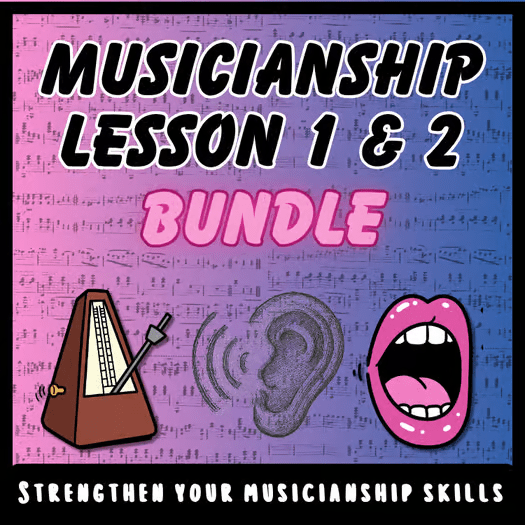
Related resource: For off-bench activities, you can use simple rhythm pages from my Musicianship Lessons series — perfect for little learners who need visual and tactile engagement.
⸻
🎹 Children (Ages 6–12)
Goal: Build foundational skills while keeping the lesson interactive and varied.
Sample 30-Minute Structure:
1. Technique warm-up (scales, finger exercises) – 5 min
2. Review of previous piece(s) – 5 min
3. New repertoire / teaching piece – 10 min
4. Sight reading / rhythm drill – 5 min
5. Theory or creative activity (worksheet, composing, flashcards) – 5 min
Tips:
• Use games or apps to reinforce rhythm and note reading
• Rotate activities to keep attention high
• Encourage students to track practice with a log or stickers
• Provide choices when possible (which piece first? which warm-up?)
If you teach this age group regularly, my Piano Technique Bundle is perfect for warm-ups and scale work during this section of the lesson.
You can also assign my Easy Piano Visualizers on YouTube to support weekly practice at home.
⸻
🎹 Teens (Ages 13–18)
Goal: Foster independence, critical thinking, and musical expression.
Sample 45-Minute Structure:
1. Warm-up (technical work, Hanon, scales) – 5–7 min
2. Repertoire check-in (discussion on goals, challenges) – 10–15 min
3. In-depth repertoire work (musical expression, phrasing, analysis) – 15–20 min
4. Sight reading, chord work, lead sheets, or improvisation – 5–8 min
Tips:
• Let students help choose repertoire (pop, classical, exams)
• Focus on interpretation and expressive playing
• Introduce musical analysis and historical context
• Assign listening or journaling between lessons
Teens often love working with chords, lead sheets, and pop arrangements — this pairs beautifully with my YouTube visualizers if you want to give them additional reference material throughout the week.
⸻
🎹 Adults
Goal: Respect their learning pace, build confidence, and make it relevant to their musical goals.
Sample 45–60 Minute Structure:
1. Warm-up / technique work – 5–10 min
2. Discuss goals or concerns – 5 min
3. Repertoire (learning and refining pieces) – 20–30 min
4. Theory, chords, or lead sheet skills – 10–15 min
5. Q&A or guided practice strategies – 5–10 min
Tips:
• Adults appreciate understanding the why behind concepts
• Make connections to familiar music or genres they love
• Be encouraging and patient—they’re often hard on themselves
• Help them set realistic, flexible goals
Adults also appreciate clear technique sheets and structured practice plans — linking them to the Piano Technique Bundle or to YouTube visualizers can really help their confidence.

⸻
Final Thoughts
There’s no one-size-fits-all lesson plan—each age group learns differently, and your teaching should reflect that. The best piano lessons combine structure and flexibility, offering routine while making space for creativity, growth, and fun.
As you gain experience, you’ll learn to read your students and adjust on the fly. But having a thoughtful lesson framework gives you a strong foundation for success with every age.
Looking for more Piano Week content? Check out:
👉 How to Find a Great Piano Teacher
👉 Must-Have Items for Starting Your Own Piano Studio
👉 Why Piano Technique Matters (Especially for Young Students)
What’s your favorite age group to teach and why? Share your thoughts below!





Leave a comment