-
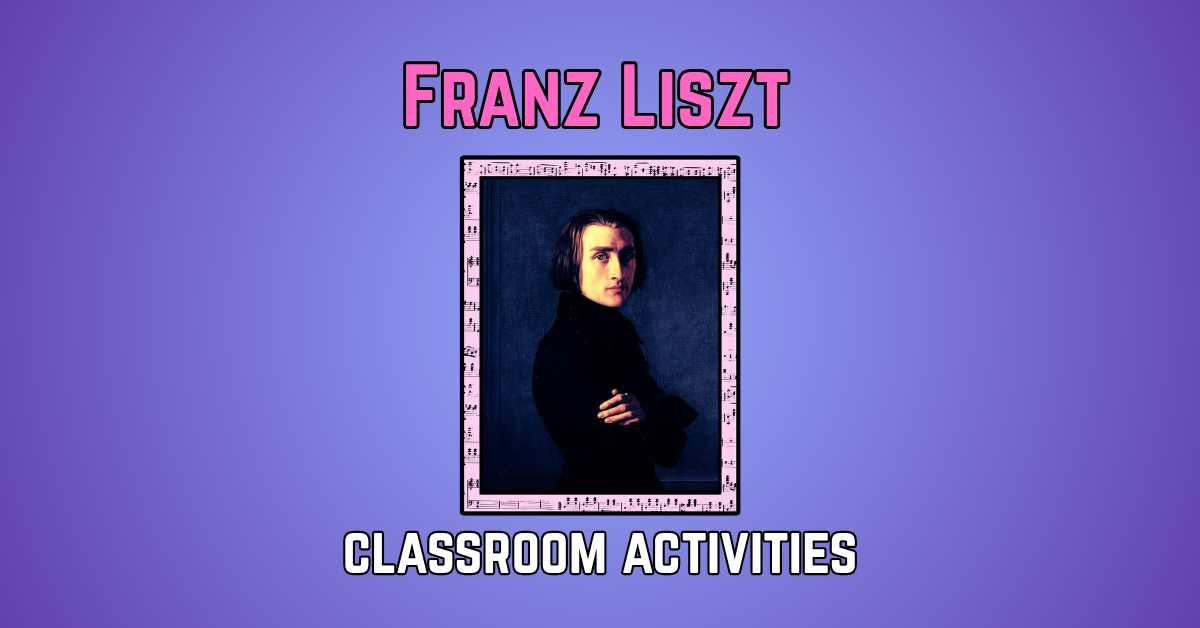 Continue reading →: Franz Liszt: Virtuosity, Romantic Piano Music, and Halloween-Era Drama
These Franz Liszt classroom activities bring virtuosity, dramatic storytelling, and Romantic-era expression into the music room. Known for his dazzling piano performances and technically demanding compositions, Liszt created music filled with sudden contrasts, powerful emotions, and theatrical energy. That makes October an ideal time to introduce him. Students can explore…
-
 Continue reading →: Choir Solfège Exercises: Warm-Ups, Canons & Harmonizing Activities
If you want your choir students to become stronger, more independent singers, solfège is one of the most useful tools you can build into your rehearsal routine. But solfège practice does not have to mean spending twenty minutes every rehearsal on isolated sight-singing drills. Some of the most effective solfège…
-
 Continue reading →: How to Build a Choir Culture Students Actually Want to Be Part Of
A director can build a positive choir culture by creating an environment where students feel welcomed, challenged, valued, and connected to a shared musical purpose. When singers believe that their presence matters, they become more willing to participate, take musical risks, and invest in the ensemble. A strong choir culture…
-
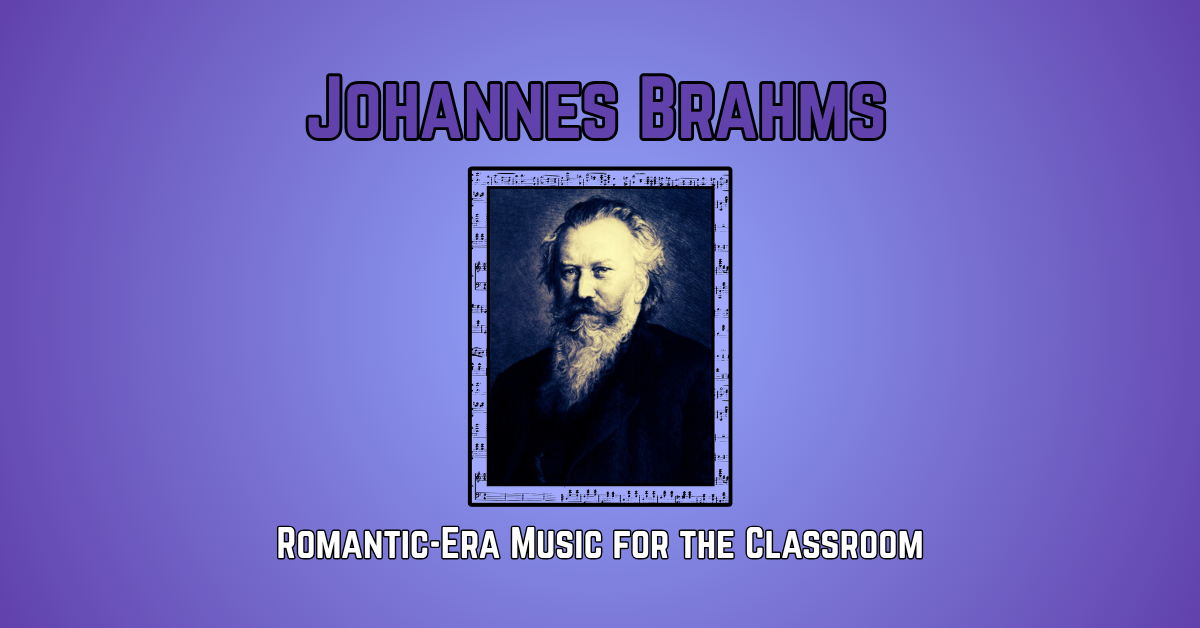 Continue reading →: Johannes Brahms: Lullabies, Choral Works, and Romantic-Era Listening
Johannes Brahms offers music teachers an ideal way to introduce the Romantic era at the beginning of the school year. His music combines powerful emotion with carefully organized musical forms, giving students an accessible connection between the Classical and Romantic periods. Many students will already recognize at least one Brahms…
-
 Continue reading →: Essential Music Teacher Resources for Back to School
The beginning of a new school year brings fresh possibilities—and an enormous number of tasks. Music teachers need to organize classrooms, plan lessons, select repertoire, review curriculum expectations, prepare instruments, establish routines, and learn the needs of new students. Having the right music teacher resources prepared before the first day…
Hello,
I’m Shana

If you’re passionate about music education, you’re in the right place! As an experienced music educator, I created this blog to share practical tips, creative ideas, and inspiration for teachers, directors, and musicians at every level.
Let’s connect
One-Time
Monthly
Yearly
Enjoying my free resources? Support Lessons With Shana!
Make a monthly donation
Make a yearly donation
Choose an amount
C$5.00
C$15.00
C$100.00
C$5.00
C$15.00
C$100.00
C$5.00
C$15.00
C$100.00
Or enter a custom amount
C$
Your contribution is appreciated.
Your contribution is appreciated.
Your contribution is appreciated.
Join the fun!
Stay updated with our latest tutorials and ideas by joining our newsletter.