Musicianship training helps students become more confident, independent musicians in choir, vocal class, piano, and general music.
If your students rely on recordings, struggle with tuning, lose rhythmic accuracy, or panic when music gets harder, the issue is often not effort — it is musicianship.
That is why I created my Musicianship Skills Series: a structured set of sight-singing, ear training, rhythm, and dictation resources designed for real music classrooms.
This page is your starting point for building musicianship into your teaching.
Why Musicianship Matters
Before adding more repertoire or more rehearsal time, students need the skills that help them understand what they are singing and playing.
Musicianship training helps students:
- read music more fluently
- hear patterns before they sing or play them
- improve tuning and rhythm
- build confidence with new music
- become less dependent on recordings
Related reading:
Why Strong Musicianship Makes Singing Feel Easier
Musicianship Training for Better Ensemble Results
Step 1: Build Sight-Singing Skills
Sight-singing helps students connect notation to sound.
Start with short, accessible patterns using solfège, stepwise motion, and repeated rhythms. Over time, students begin to recognize melodic patterns instead of guessing note by note.
Use this resource:
Sight-Singing Lesson 1-3 Bundle

Related post:
Why Every Choir Should Be Using Solfège
Step 2: Strengthen Rhythm Reading
Rhythm is one of the fastest ways to improve ensemble confidence.
Students need regular practice with pulse, subdivision, counting, clapping, speaking, and reading rhythmic patterns.
Use this resource:
Rhythmic Dictation Lesson 1
Music Theory Unit 1 Bundle

Related post:
How to Teach Music Theory to High School Students
Step 3: Add Ear Training
Ear training helps students stop guessing.
When students can hear intervals, recognize patterns, and anticipate where a melody is going, their singing and playing becomes more secure.
Use this resource:
Ear Training Lesson 1-3 Bundle
Watch:
Related post:
Why Ear Training Is Important for Every Musician
Step 4: Use Dictation to Build Independence
Dictation brings listening, memory, rhythm, and notation together.
Keep it simple at first. Use short rhythmic or melodic patterns, repeat them clearly, and let students write what they hear.
Use this resource:
Dictation Lesson 1-3 Bundle

Related post:
Why Every Music Student Should Do Dictation
Step 5: Connect Musicianship to Repertoire
Musicianship should not feel separate from “real music.”
Use your repertoire to reinforce:
- intervals
- rhythms
- solfège patterns
- key signatures
- phrase structure
- tonal center
That connection helps students see musicianship as useful, not random.
Related posts:
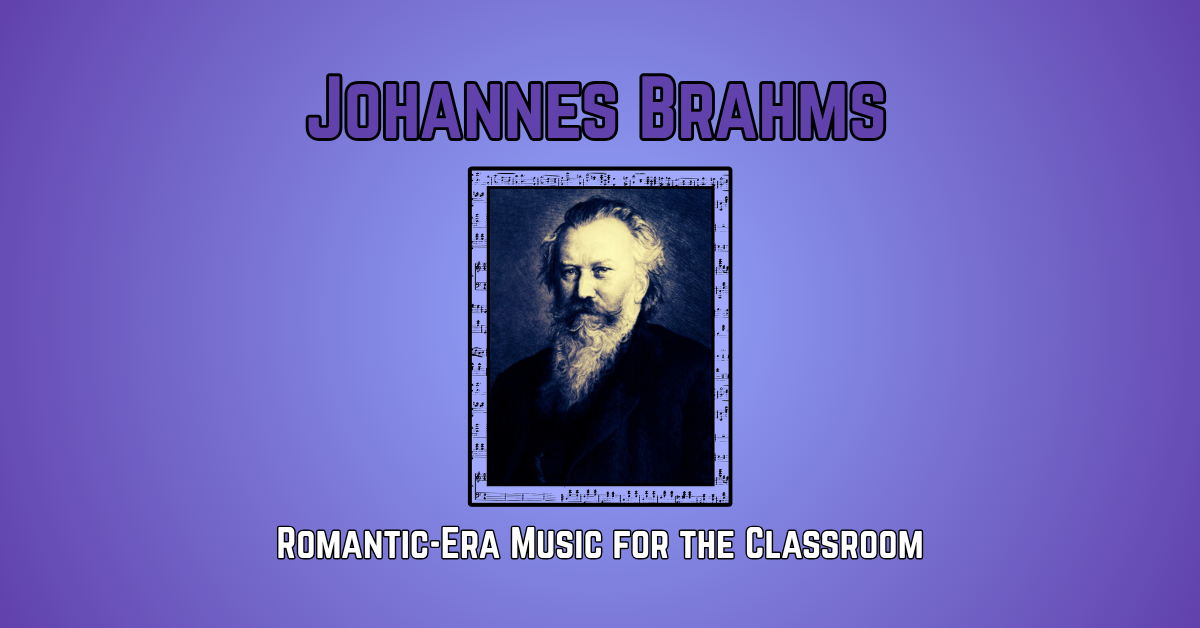
Classic High School Choir Pieces for Festival Season
Why Some Musicians Are Better Sight Readers (And How to Train It)
How to Teach Key Signatures and the Circle of Fifths
Ready-to-Use Musicianship Resources
If you want to teach musicianship consistently without creating everything from scratch, explore my Musicianship Skills Series.
These resources include:
- sight-singing lessons
- ear training activities
- rhythmic dictation
- melodic dictation
- student pages
- answer keys
- companion YouTube lessons
They work well for:
- choir warm-ups
- vocal class
- general music
- music theory review
- sub plans
- ensemble skill-building
Explore the Musicianship Skills Series
Final Thoughts
Musicianship training is not extra.
It is the foundation that helps students read, hear, understand, and perform music with confidence.
When students build sight-singing, rhythm, ear training, and dictation skills, rehearsals become more efficient and music-making becomes more meaningful.
Start small. Stay consistent. Give students the tools to become real musicians — not just better memorizers.





Leave a Reply