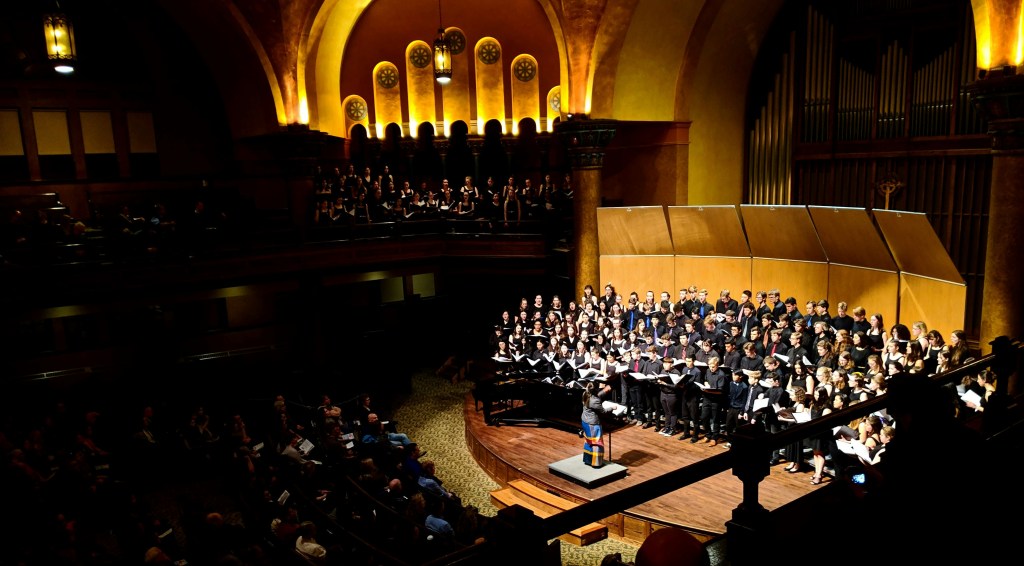
If you’re searching for a choral work that’s both accessible and profoundly moving, Gabriel Fauré’s Cantique de Jean Racine is a gem you don’t want to overlook. This elegant piece, written when Fauré was just 19 years old, beautifully blends French lyricism with a serene, prayerful mood that resonates with performers and audiences alike. Whether you’re programming a concert of sacred works, French repertoire, or simply want a piece with timeless appeal, here are three compelling reasons to include Cantique de Jean Racine in your next choral performance.
1. It Offers a Gentle Challenge for Intermediate to Advanced Choirs
Cantique de Jean Racine is often considered a “gateway” into French Romantic choral repertoire. It strikes the perfect balance between accessibility and sophistication. The piece allows choirs to work on blend, breath support, legato line, and vowel unification—all within a tempo and harmonic structure that’s manageable for high school, university, or community ensembles.
The choral writing is lush but not overly complex, and the voice-leading supports musical phrasing in a way that builds ensemble confidence. It’s also a wonderful piece for introducing students to French diction in a choral context.
2. It Adds Contrast and Emotional Depth to Any Program
This work serves as a beautiful contrast to faster, more rhythmically driven repertoire. With its flowing lines and rich harmonies, Cantique invites both singers and listeners into a contemplative space. It’s ideal as an opening or closing piece, or as a reflective moment in the middle of a concert set.
Its sacred text—adapted from a 17th-century paraphrase of a Latin hymn—adds emotional and spiritual weight without being overtly liturgical, making it suitable for both religious and secular concert settings.
3. It Connects Singers to a Legendary Composer’s Early Voice
Gabriel Fauré is best known for his Requiem and art songs, but Cantique de Jean Racine gives singers and audiences a glimpse into the early genius of this beloved composer. Programming this work can spark meaningful discussions about Romantic style, French musical aesthetics, and Fauré’s later influence on Debussy, Ravel, and beyond.
By including Cantique in your concert, you give your choir the opportunity to explore nuanced musical expression while honoring one of the great voices in choral music history.
Whether you’re looking to deepen your ensemble’s interpretive skills, enrich your concert’s emotional arc, or introduce singers to French repertoire in an accessible way, Cantique de Jean Racine is a thoughtful and rewarding choice. Its timeless beauty continues to touch hearts – on both sides of the baton.









Leave a comment